
Safe & Effective Pest Control in Trinidad & Tobago
Pest control savvy, environmentally friendly—Termite Attack Limited is always ready.
About Us
We are a Pest Control Service provider indigenous to Trinidad and Tobago, founded in 1995. Over the years, we have acquired the necessary expertise, equipment, and resources that position us as a leader in the Pest Control Industry. Initially formed to meet the needs of the construction industry for Pest Control Services during its stages, we’ve expanded our services to various sectors, including agriculture, horticulture and building environments.
Our Mission
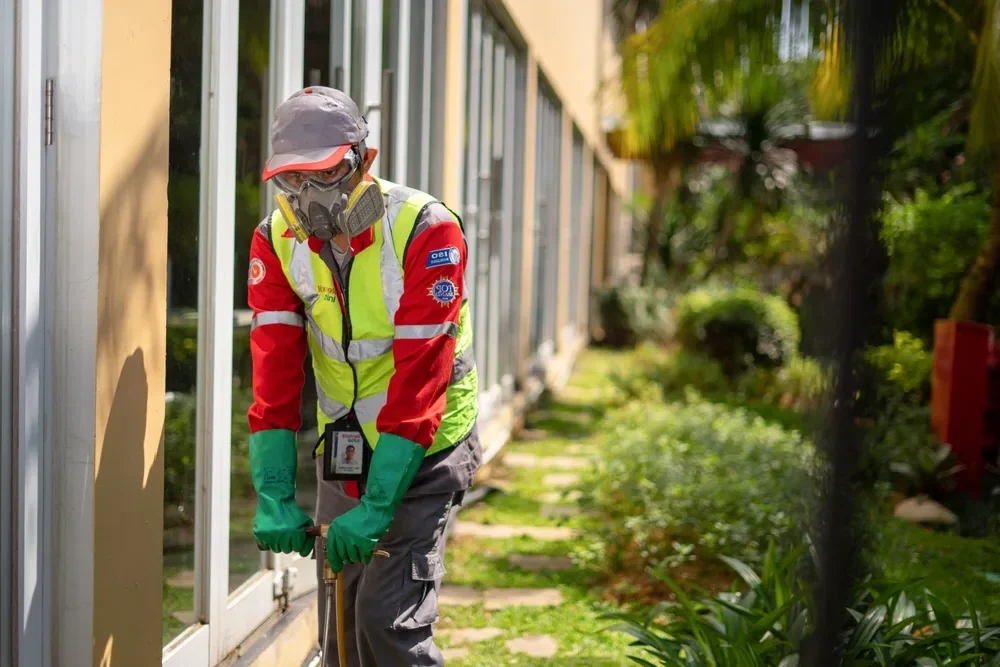
To provide our customers with quality service that protects their assets while preserving the environment. We aim to create value through sustainable growth for all stakeholders, including our employees and the community.
Our Vision
We envision Termite Attack Limited as a leader in the pest control and environmental services industry, embodying outstanding corporate social responsibility and fostering a unique learning experience for all involved.
Our Mission
To provide our customers with quality service that protects their assets while preserving the environment. We aim to create value through sustainable growth for all stakeholders, including our employees and the community.
Our Vision
We envision Termite Attack Limited as a leader in the pest control and environmental services industry, embodying outstanding corporate social responsibility and fostering a unique learning experience for all involved.
Our Services
Termite Solutions
- Subterranean Termite Treatment
- Dry-wood Termite Treatment
Pest Management
- R.M.C.A (Rats, Mice, Cockroaches, and Ants)
- Mosquito / Sand Flies Control Treatment
- Bee Treatment
- Scorpion Treatment
Wildlife and Nuisance Control
- Cat and other Strays Baiting and Humane Removal
- Bat Treatment / Bat Proofing
Sanitization and Remediation
- Mould Removal
- Building Sanitization (including SARS COVID-19 Virus)
Our Product
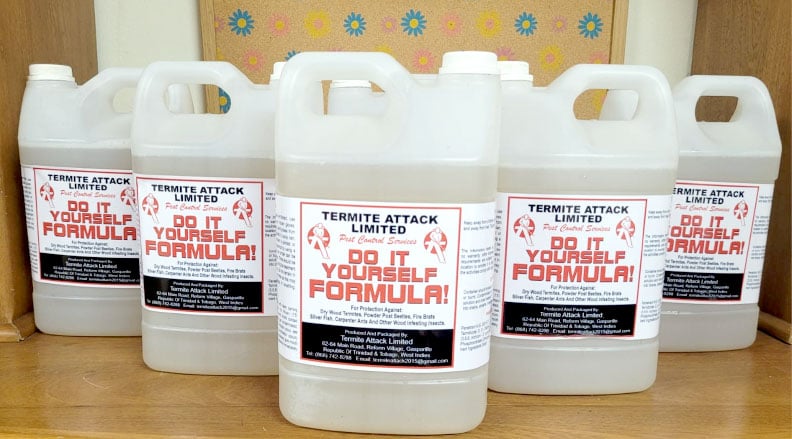
Do It Yourself Formula
For protection against:
- Dry Wood Termites
- Powder Post Beetles
- Fire Brats
- Silver Fish
- Carpenter Ants
- Other Wood Infesting Insects
Trusted Pest Control Professionals
We employ industry-leading, safe and effective pest control treatment practices and methods.
Our pricing is competitive and offers excellent value for the quality of service provided.
We take the time to educate our clients on the nature and extent of the infestation, the proposed treatment plan, and potential effects of chemicals to be used.
We are committed to providing prompt, reliable and efficient service, including comprehensive after-care support.
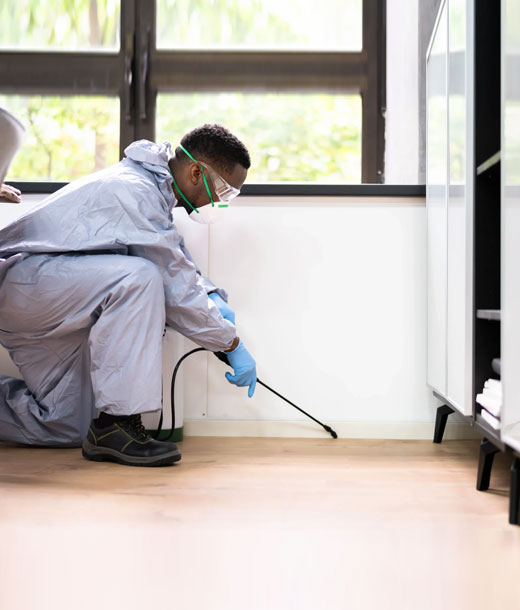
Our operators are professionally trained, certified and maintain a clean, presentable appearance, ensuring no soiled clothing or equipment to compromise the cleanliness of our clients’ premises.
We are fully insured, certified and well-equipped to manage a wide range of pest-related issues.
What Our Customers Are Saying
EXCELLENTTrustindex verifies that the original source of the review is Google. Excellent service, Very professional and reasonable pricingPosted onTrustindex verifies that the original source of the review is Google. The service I received from this company from initial contact with timely responses, to site visit for inspection, quote receipt and termite treatment, was excellent and of high quality. They exhibited knowledge, patience, a positive attitude, and was helpful at each stage of the process.Posted onTrustindex verifies that the original source of the review is Google. For the last two years we have received excellent service from this company. Calvin and the team provide an excellent professional service that has been effective in controlling pests. I highly recommend this company if you are looking for any pest control services.Verified by TrustindexTrustindex verified badge is the Universal Symbol of Trust. Only the greatest companies can get the verified badge who has a review score above 4.5, based on customer reviews over the past 12 months. Read more
Frequently Asked Questions
Are your treatments safe for children and pets?
Yes, our treatments are designed to be effective against pests while ensuring the safety of your loved ones. However, we always recommend following the safety guidelines provided by our technicians.
Do you offer services for businesses?
Absolutely! We provide both residential and commercial pest control services, ensuring that homes and businesses remain pest-free.
How soon can I expect results after treatment?
While many pests are eliminated immediately, some treatments require a few days to take full effect. Our team will provide guidance on what to expect post-treatment.
Are your services eco-friendly?
Absolutely! As stewards of the environment, we prioritize sustainable and eco-friendly pest control methods.
General Pest Control
What types of pests do you treat?
Termites, ants, cockroaches, rats, mice, bed bugs, mosquitoes, snails, centipedes, snakes and other vermin, stray cats humane capture and removal together with other common household and commercial pests.
Do you service both residential and commercial properties?
Yes, including homes, apartments, offices, warehouses, car parking facilities and industrial sites.
Are your treatments safe for children and pets?
Treatments are applied using regulated products, standards and methods that have safeguards for humans (children included) and pets. Specific safety precautions depend on the treatment type and will be explained before any service.
How often should pest control be done?
Typically quarterly for prevention and management of household pests, but the frequency varies according to infestation level, property type, and environment.
Do I need to leave the property during treatment?
Not necessarily. Some types of treatment (only a few), may require that you vacate the property depending on the chemicals to be applied. Clear instructions are provided before the work is to be started.
Termite-Specific FAQs (Core section)
How do I know if I have termites?
Common signs include hollow-sounding wood, mud-like tubes along walls, fine granular mud-like particles (old lady sugar) coming from infected lumber or wooden materials within or outside the building, and subtle structural damage like peeling lumber surface or easy to break lumber or wooden surface.
How serious is a termite infestation?
Termites can cause significant structural damage to wooden structures, furniture or wall panels if not detected and treated early. Early detection and treatment can reduce repair costs and risk to property.
What termite treatments do you offer?
Treatment options may include liquid soil treatments, baiting systems, wood treatments, or integrated approaches depending on the level of infestation.
How long does termite treatment last?
Some treatments protect for several years, while bait systems require ongoing monitoring.
Do you offer termite inspections?
Yes, including routine inspections and pre-purchase (real estate) inspections.
Can termites come back after treatment?
Yes, if conditions allow; however, on-going monitoring and preventive treatments reduce the risk of recurrence.
How long does a termite treatment take?
From a few hours to a full or several days depending on property size and method to be used.
Pricing & Service Process
How much does pest control cost?
Costs vary based on pest type, infestation severity, property size and treatment method. Inspections usually determine exact pricing.
Do you offer free inspections or quotes?
Yes we do, once the visit is scheduled on workdays Monday to Friday during standard working hours there is generally no cost. Outside of this, there is a 200.00 TT$ charge that is refundable should the work be awarded/given to us.
What happens during an inspection?
A technician assesses infestation signs, type of termite, or pest, entry points, and other risk factors, then recommends a treatment plan.
Do you provide guarantees or warranties?
Most of our services include a service warranty/guarantee or follow-up visits within a defined period.
Preparation & Aftercare
How should I prepare for treatment?
Preparation may include clearing areas, securing food, or moving furniture. Instructions are provided in advance.
What should I do after treatment?
Follow guidance such as ventilation, cleaning restrictions, or avoiding treated areas for a specified time period.
How long before I see results?
Some pests are eliminated quickly. Others pests, like termites or bed bugs require time. Subterranean termites for example would take about three (3) to nine (9) months to be effectively eradicated especially if there was no pre construction treatment and other treatment may require follow-up treatments.
Commercial Clients
Do you offer ongoing pest management plans for businesses?
Yes we do, for both businesses and homes, including scheduled inspections, compliance documentation and preventive treatments.
Can you handle large-scale or industrial infestations?
Yes, with customized treatment plans and site-specific risk management.
Do you provide documentation for audits or health inspections?
Yes, service reports and compliance records can be provided.
Prevention & Education
How can I prevent termites or pests?
For termites you should have your pre-construction termite treatment mandatory inclusive of the underside of the ground floor slabs, aprons, at the base of and behind retaining walls; use certified pressure treated lumber or ensure that there is a quality termite treatment procedure for treatment of all lumber forming part of the permanent structure, reduce moisture and water collection in or around the foundations and under floor slabs, seal entry points, and maintain your building’s termite treatment plan every four to five years. For other pests, store food properly, keep garbage bags sealed after use and dispose of all garbage efficiently, keep garbage bins covered, have designated eating areas, clean-up immediately after events and schedule regular inspections.
Are there signs I should watch for between visits?
Yes. Changes in pest activity, droppings, structural damage, or unusual smells/scents should be reported.


Your Pest Solution
One Call For Total Control
Keep your home or business pest-free with our expert team. We offer quick, effective, and eco-friendly treatments designed just for you. Enjoy the comfort of a pest-free space—begin today.